
Our Story
Karen (K’Nyaw) Community Farm (KKCF) is a community farm supporting Karen refugee farmers in Raleigh, NC. KKCF provides land access and resources to Karen refugees who wish to farm.
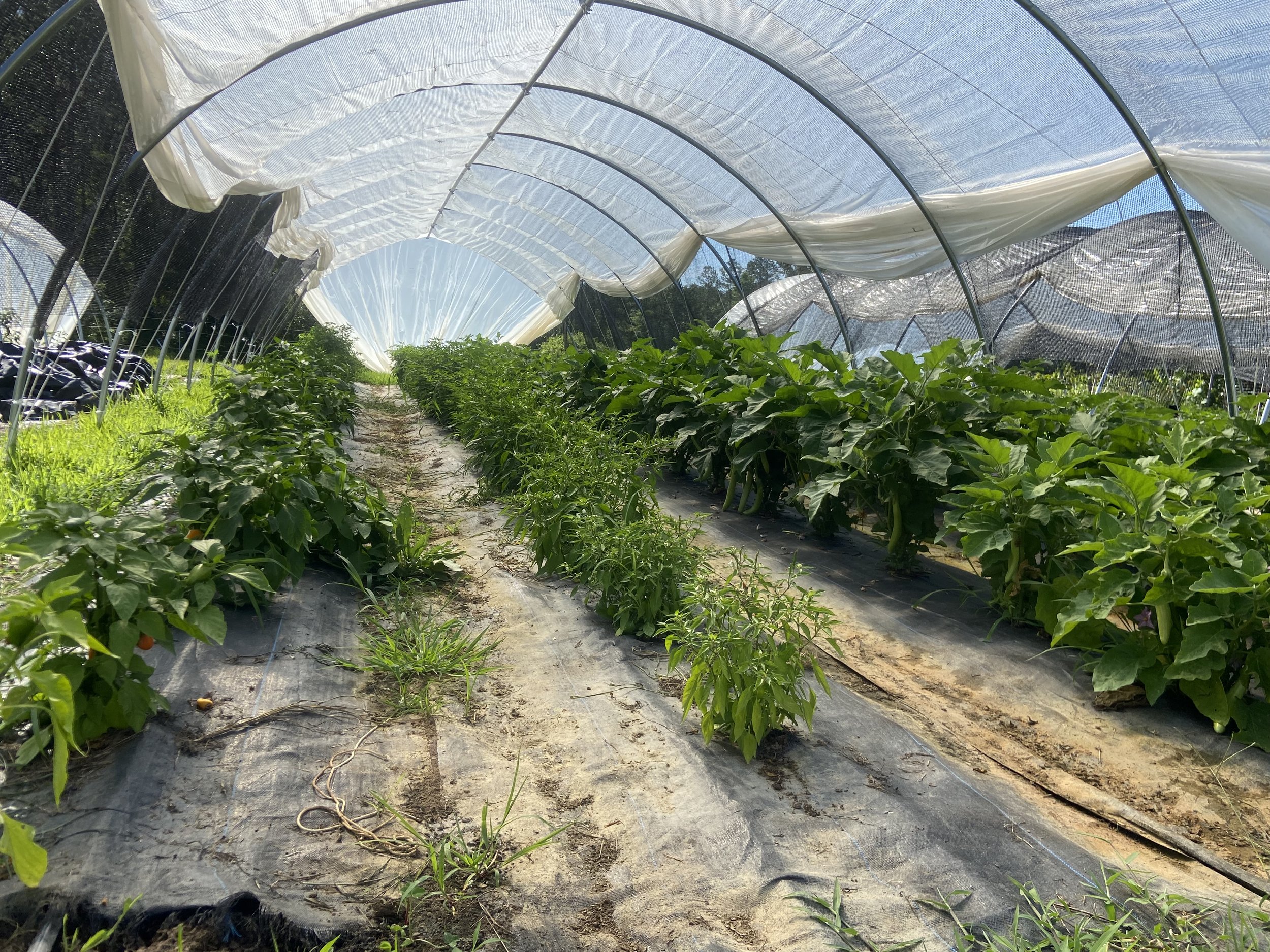
Our farmers utilize sustainable, chemical-free growing practices to cultivate a vibrant array of traditional Asian vegetables and flowers.

Farming at the Karen (K’Nyaw) Community Farm
KKCF was started in 2018 on historic farm land named Oaky Grove donated by Talmage Brown. This was the first refugee farm project of this type in Wake County. The thriving Asian population in the Triangle region of NC, and the increasing demand for Asian cuisine has greatly increased demand for Asian specialty foods and produce. Currently, there is no local production of some of these foods popular in local communities and at restaurants. The Karen Community Farm has the potential to become a local Asian vegetable supplier with the right infrastructure and support.
In 2025, the farm moved to a new location, just down the road, on the Triangle Land Conservancy’s Williamson Preserve. This 447 acre, historic farmland with over 16 miles of walking, riding trails, is the new home of the Karen (K’Nyaw) Community Farm.

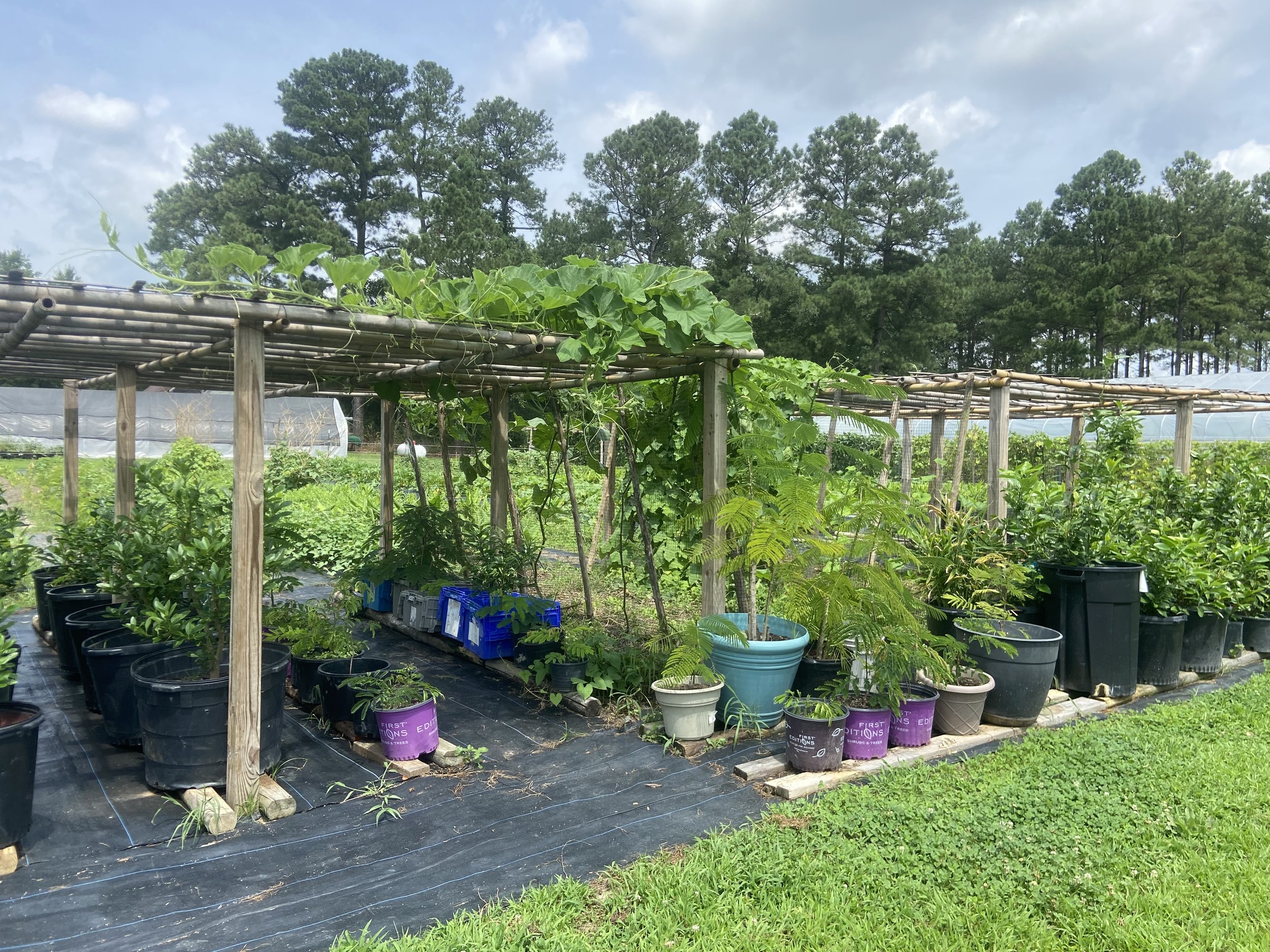
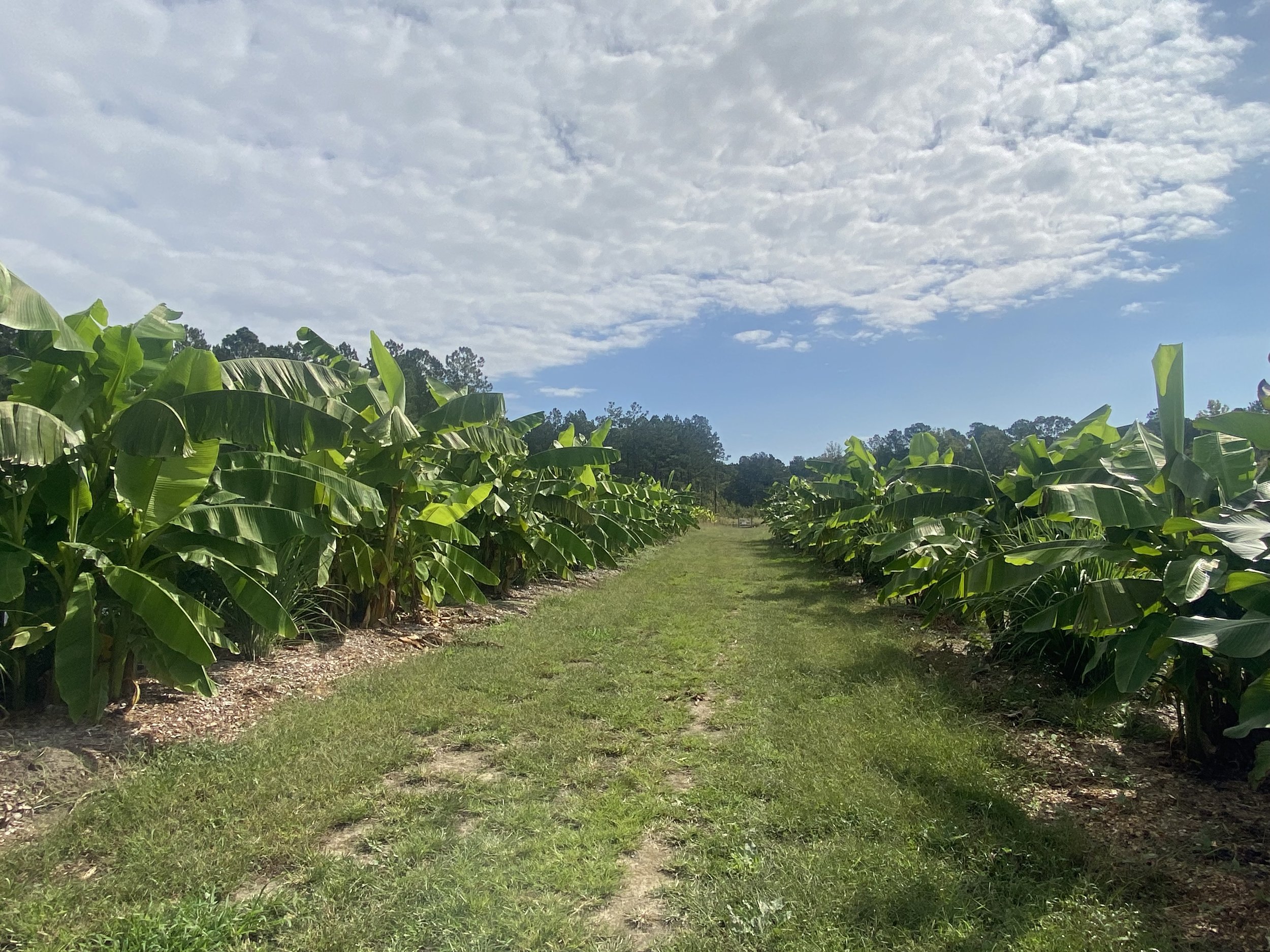
At KKCF, every farmer manages an individual plot dedicated to growing fresh produce, vibrant flowers, and fragrant herbs. Committed to sustainability, our growers utilize strictly chemical-free and pesticide-free practices. While some of our farmers sell their harvests to local businesses, others focus on cultivating food to nourish themselves and their families.
The farm is actively recruiting additional Karen farmers.

Who are the Karen?
The Karen people have faced systemic oppression in Burma for centuries, with conflicts intensifying significantly following World War II. Seeking safety and stability, many Karen were forced to flee their homeland for Thailand, eventually resettling in third countries around the world as refugees.
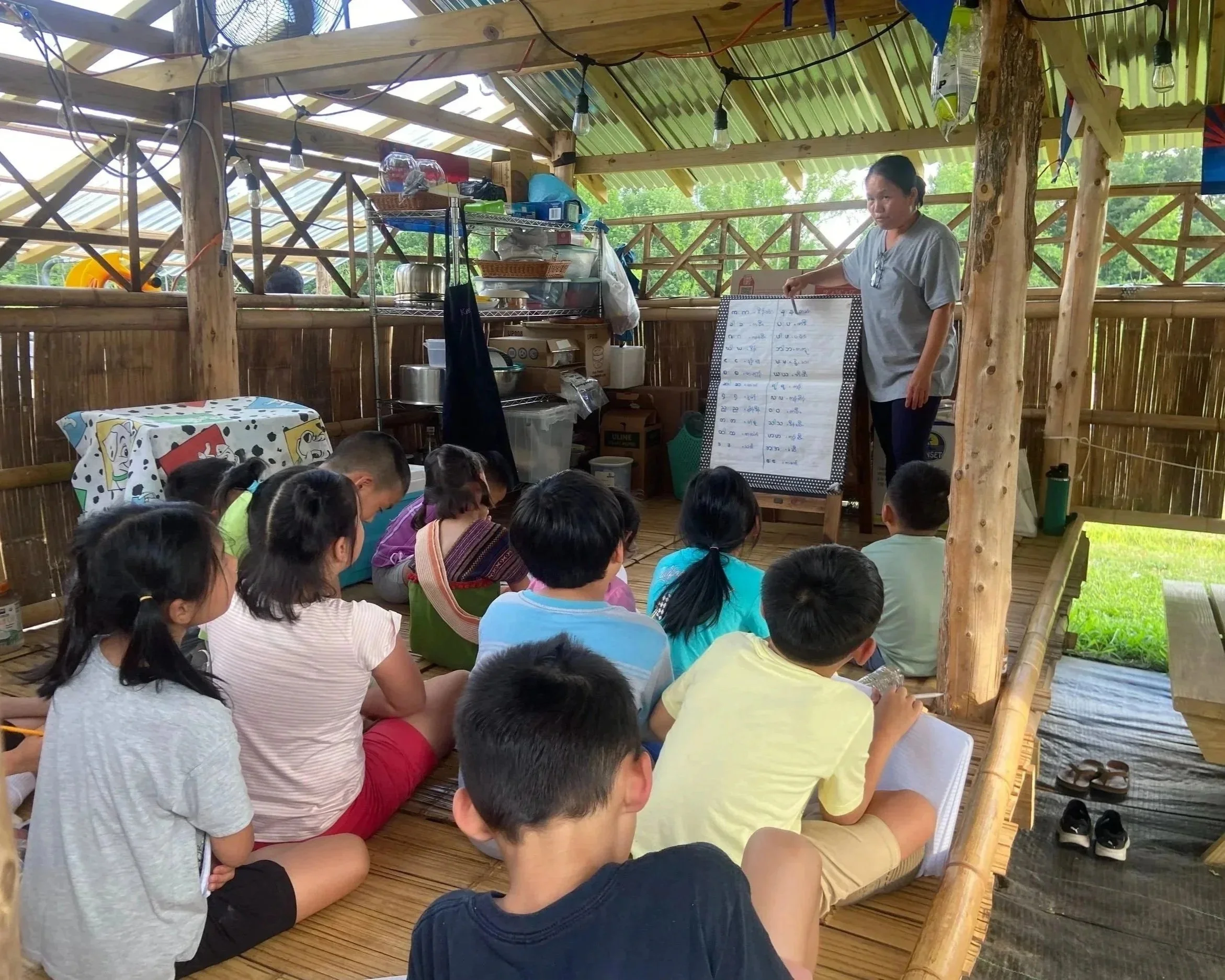
Originating in Burma, the Karen have carried their cultural traditions and social norms to the United States and other countries throughout the world. At KKCF, you can learn about Karen arts, celebrations, economy, education, family and relationships, food, health, language and customs, and religion.

We extend our sincere gratitude to the Karen Organization of Minnesota for serving as an invaluable and comprehensive resource for the cultural and historical information shared above.
Karen Refugees
Before resettling in North Carolina through the support of the United Nations High Commissioner for Refugees and Lutheran Family Services, many Karen refugees endured over two decades of uncertainty in displacement camps. Today, as U.S. citizens, they place immense value on preserving their cultural heritage. Many of our farmers brought a lifetime of agricultural experience with them, having tended small gardens even within the camps to sustain their families. By providing land and essential resources, the Karen (K’Nyaw) Community Farm empowers these individuals to cultivate traditional Asian produce and flowers, fostering a vital, tangible connection to the foodways and traditions of their homeland.
Maintaining a connection to culture and community
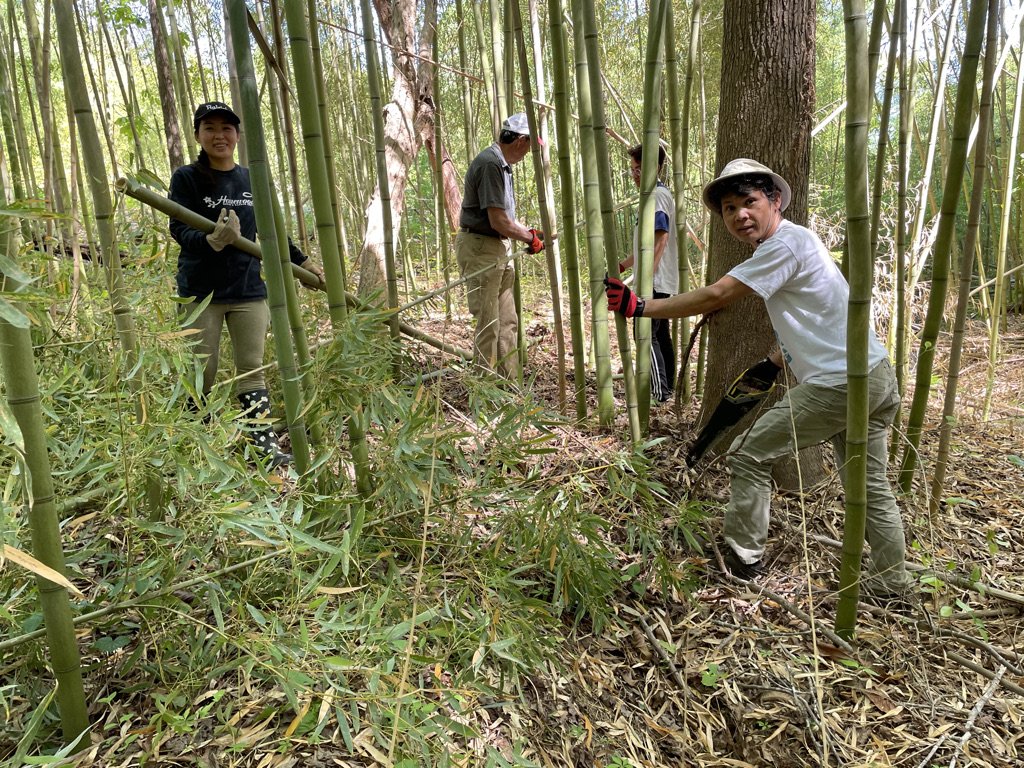
KKCF provides a place to grow traditional Karen food for farmer’s families and communities but it is also a place of community and healing.
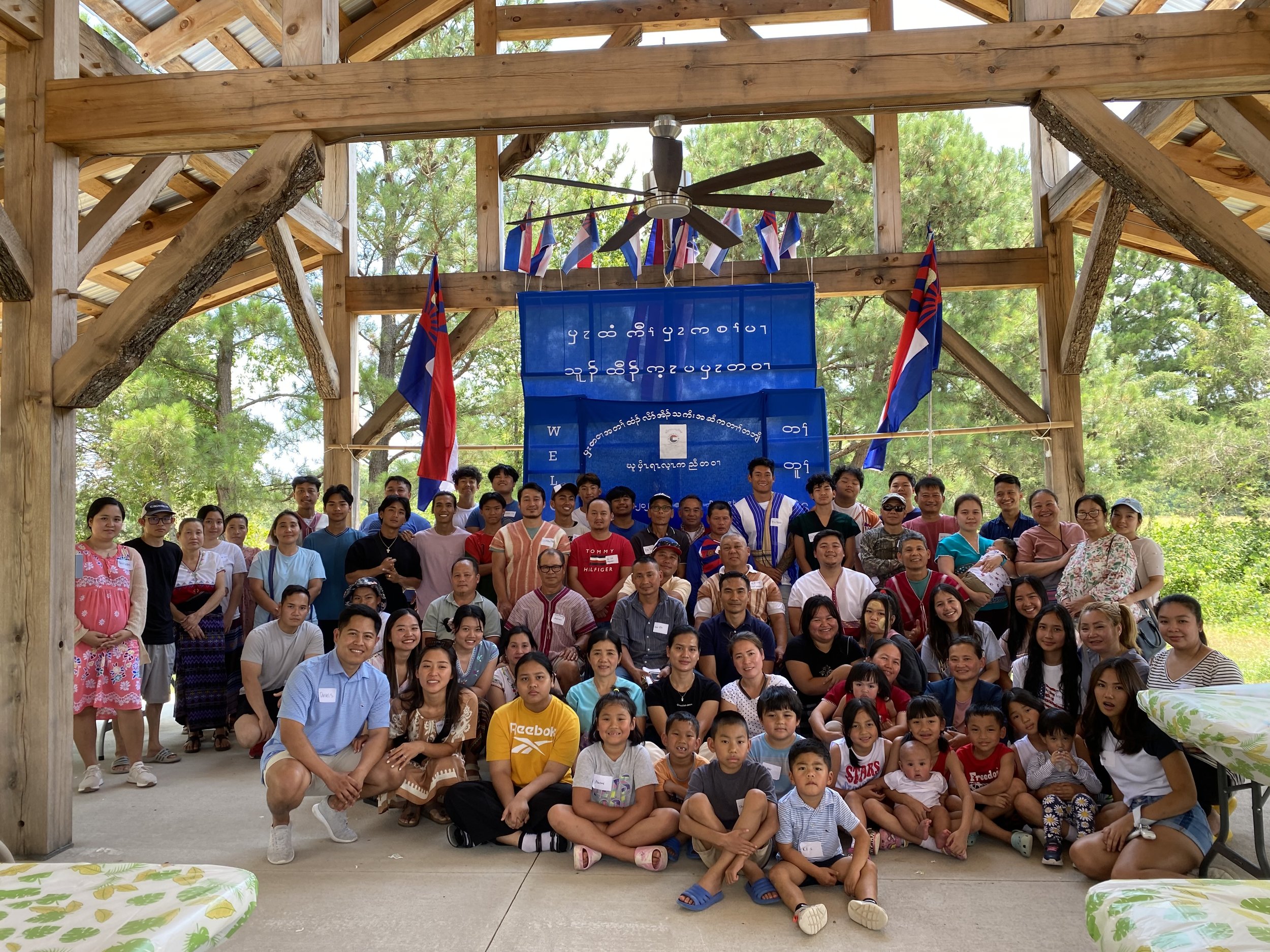
KKCF is also a place where the Karen community can gather to host events, eat food and reconnect.
Donate today to support our farmers.
